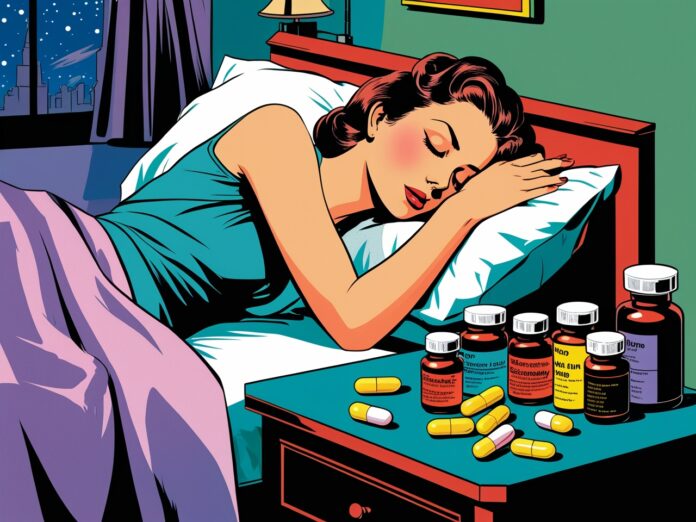

In the dim theater of modern life, where the stage is lit by the cold glow of smartphones and the actors are perpetually caffeinated, a peculiar drama unfolds nightly. As the curtain of darkness descends, millions reach for their pharmacopeia of dreams: sleeping pills. These tiny tablets, heralded as saviors of slumber, are consumed with the hope of escaping the relentless encore of insomnia. Yet, beneath their soporific promises lies a narrative steeped in irony, dependency, and a society’s uneasy relationship with rest.
Sleep has always been a communal affair. In pre-industrial societies, rest was dictated by natural rhythms, communal activities, and the rise and fall of the sun. The introduction of artificial lighting and the industrial revolution disrupted these patterns, commodifying time and, by extension, sleep. This shift birthed a culture that venerates productivity over rest, leading to a collective insomnia that is less a medical condition and more a societal malaise.
Enter the pharmacological panacea: sleeping pills. In the United States alone, approximately 8.4% of adults resort to these aids regularly, with usage doubling since 2010. This surge is not merely a response to individual sleep disturbances but a reflection of a culture that pathologizes restlessness while perpetuating the very conditions that cause it.
The reliance on hypnotics such as benzodiazepines and “Z-drugs” like zolpidem (Ambien) is fraught with complications. While effective in the short term, these medications can lead to tolerance, dependence, and a host of side effects, including cognitive impairment, memory disturbances, and even complex behaviors like sleep-driving. Moreover, long-term use has been associated with increased risks of dementia and mortality.
The irony is palpable: in seeking refuge from the wakefulness imposed by a hyperactive society, individuals ingest substances that may further erode their cognitive faculties and overall well-being. This pharmacological intervention, rather than addressing the root causes of sleep disturbances—stress, anxiety, and societal pressures—merely masks symptoms, creating a cycle of dependency and diminishing returns.
Furthermore, the demographic patterns of sleeping pill usage reveal underlying societal disparities. Women and older adults are disproportionately represented among users, highlighting gendered and age-related vulnerabilities. This trend underscores the intersection of societal expectations, caregiving responsibilities, and the marginalization of certain groups, all contributing to disrupted sleep and increased reliance on pharmacological solutions.
Taking a sleeping pill is no longer just a personal decision. It is also a collective gesture. A kind of surrender. A way of admitting that the system won. That the body is only a tool. That rest is not part of the contract. That sleeping without help is a luxury from another time.
Sleeping pills, in their mass use, are a mirror. They reflect a society with broken rhythms, inverted priorities, exhausted bodies. They invite us to rethink what we mean by rest, by normality, by health. To question the structures that steal our sleep. To imagine other ways of living that do not require anesthesia.
Because sleep should not be a privilege or a medical emergency. Sleep is a right. And like every right, it must be fought for. With gentleness, but without pills.