
by Mara Taylor
Spring in New York arrives like a rumor before it becomes a fact. One day the air is a damp gray corridor between buildings; the next day someone is reading a paperback on a bench and suddenly the city remembers that it has trees. New Yorkers respond with ritualistic enthusiasm. Jackets disappear too early. Sunglasses emerge from pockets where they have slept since October. Everyone begins migrating toward the parks with the slightly frantic joy of animals who have survived winter by sheer stubbornness.
The parks themselves—those engineered fragments of pastoral fantasy dropped into the most impatient city on earth—become stages for a seasonal performance. The script is predictable but no less moving for that. Blankets appear. Dogs run with theoretical freedom. Someone attempts yoga near a man shouting into a Bluetooth headset. Spring in New York is a fragile treaty between nature and the city’s neuroses. It lasts about six weeks. Enjoy it carefully.
Below are fifteen suggestions for doing so.
1. Claim a bench early and pretend it belongs to you.
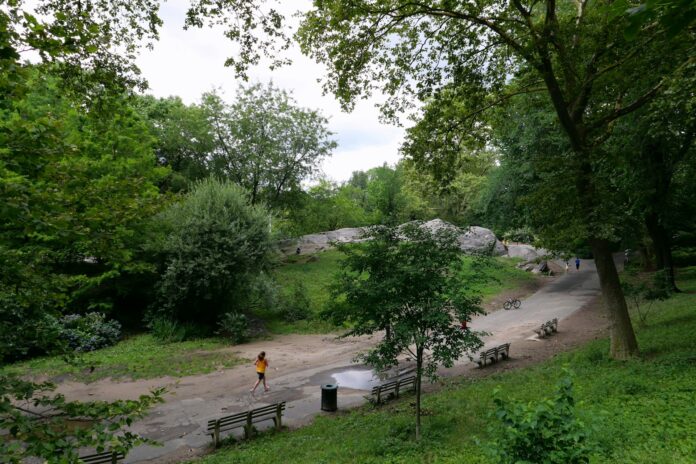
A good bench in Central Park is a form of real estate. It has sunlight, a breeze, and an angle from which you can watch other people without appearing to watch them. Arrive early. Sit confidently. Spread a book beside you as a territorial marker. New York respects quiet acts of occupation.
2. Trust the tulips but distrust the weather.
The flowers in Bryant Park will tell you it is spring. The wind off the Hudson will tell you it is still March. Believe both. Layer clothing like a paranoid botanist.
3. Bring coffee in a paper cup.
Ideally from somewhere slightly overpriced but locally beloved, like Joe Coffee Company. Coffee in a paper cup is not just a beverage; it is a prop. It tells the world you are briefly relaxed but fundamentally busy.
4. Read something mildly intellectual.
Nothing ruins a park moment like scrolling through your phone. Bring a book that suggests you are thinking complicated thoughts about civilization—perhaps Society of the Spectacle—while in reality you are mostly watching dogs.
5. Observe the seasonal wardrobe delusion.
The first 65-degree day will produce citizens dressed for July. Sandals appear. Shorts appear. The body remembers sunlight before it remembers common sense. Watch this anthropological phenomenon with sympathy.
6. Sit near a chess table even if you cannot play.
In places like Washington Square Park, chess players conduct small dramas of pride, hustle, and strategy. They insult each other with affection. The games are theater. Stay close enough to hear the commentary.
7. Let the dogs run and the owners narrate their personalities.
Dog owners in New York speak about their pets with the seriousness of literary critics. Every terrier has a psychological profile. Every golden retriever has a backstory. Listen patiently. These are the city’s most optimistic conversations.
8. Walk the long loop just to remember distance exists.
In Prospect Park you can walk far enough to momentarily forget traffic. The body adjusts to space again. The mind follows a few minutes later.
9. Accept the saxophone.
At some point a musician will appear. Possibly talented. Possibly catastrophic. Either way, the sound will drift across the lawn like a philosophical question. Let it happen.
10. Bring a blanket but remain emotionally guarded.
Blankets invite picnics, and picnics invite friends, and friends invite conversation about rent. Enjoy the sun while pretending that housing costs are a theoretical problem.
11. Eat something portable and slightly nostalgic.
A hot dog from Gray’s Papaya or a bagel from Tompkins Square Bagels works well. Park food should be simple, salty, and eaten with one hand while gesturing about something cultural.
12. Study the skyline like a work of land art.
From the right angle the buildings look almost peaceful, especially near Hudson River Park. Steel and glass pretending to be mountains.
13. Allow yourself ten minutes of complete laziness.
Lie on the grass. Close your eyes. Ignore productivity. In New York this act feels vaguely illegal, which makes it even better.
14. Notice the children discovering dirt.
After months indoors, children rediscover mud with the excitement of scientists. Parents surrender to entropy. Civilization briefly loosens its grip.
15. Leave just before sunset.
The parks become most beautiful at the moment when everyone else decides to stay longer. Depart anyway. This preserves the illusion that the afternoon was perfect.
Seasonal Conclusions
Spring in New York parks is a temporary truce between ambition and sunlight. The city pauses just long enough for people to sit on benches, drink coffee, and pretend the pace of things has slowed. It hasn’t, of course. The trains still scream underground. Rent still climbs. Deadlines wait patiently.
But for a few warm afternoons the trees fill with leaves, strangers smile more easily, and the parks remember why they were built in the first place: not to escape the city, but to make it briefly bearable.
That small mercy is enough. For now.